

Enhancing Player Performance with Tactical Learning Tools

In the competitive world of sports and gaming, the difference between winning and losing often comes down to the ability to adapt and learn quickly. Tactical learning tools have emerged as essential resources for players looking to enhance their performance. These tools not only provide insights into gameplay strategies but also foster a deeper understanding of tactics, positioning, and decision-making. In this blog post, we will explore various tactical learning tools, their benefits, and how they can be effectively integrated into training routines.

Understanding Tactical Learning Tools
Tactical learning tools encompass a wide range of resources designed to improve players' understanding of game mechanics and strategies. These tools can include:
Video Analysis Software: Programs that allow players to review their gameplay, identify mistakes, and learn from their decisions.
Simulation Games: Interactive platforms that mimic real-game scenarios, enabling players to practice tactics in a controlled environment.
Tactical Boards: Physical or digital boards where players can visualize strategies and formations.
Mobile Apps: Applications that provide drills, exercises, and tactical insights on-the-go.
By utilizing these tools, players can gain a competitive edge by refining their skills and enhancing their tactical awareness.
The Benefits of Tactical Learning Tools
Improved Decision-Making Skills
One of the primary advantages of using tactical learning tools is the enhancement of decision-making skills. Players can analyze past performances and learn to make better choices in high-pressure situations. For example, a soccer player reviewing game footage may notice a pattern in their positioning that leads to scoring opportunities. By recognizing these patterns, they can adjust their gameplay accordingly.
Enhanced Tactical Awareness
Tactical awareness is crucial in any sport. Learning tools help players understand the nuances of their sport, such as formations, player movements, and opponent strategies. For instance, basketball players can use simulation games to practice defensive formations against various offensive strategies, improving their ability to anticipate opponents' moves.
Increased Engagement and Motivation
Tactical learning tools can make training more engaging and enjoyable. Players are more likely to stay motivated when they can see their progress through analytics or when they can practice in a fun, interactive environment. This increased engagement can lead to more effective training sessions and better overall performance.
Types of Tactical Learning Tools
Video Analysis Software
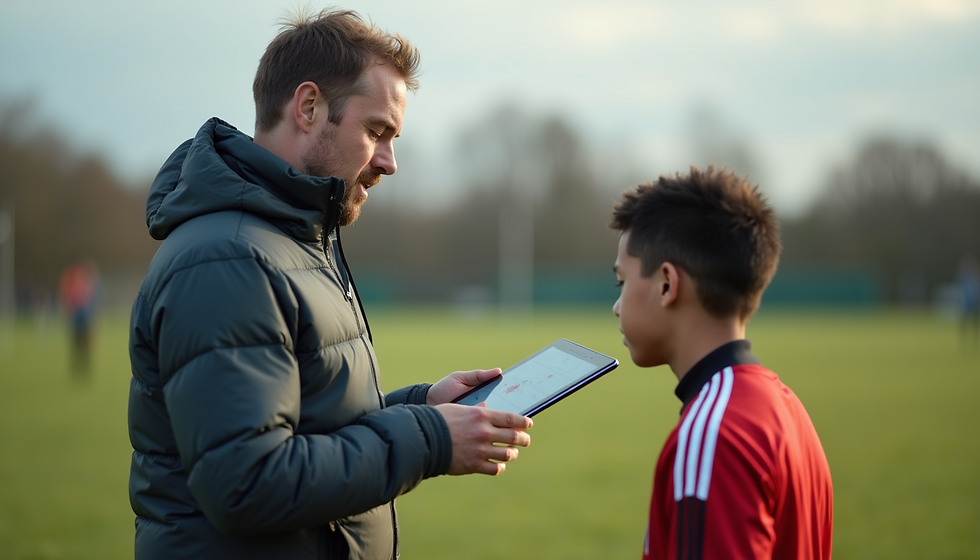
Video analysis software is one of the most powerful tools available to players. Programs like Hudl and Dartfish allow athletes to record their performances, break down plays, and analyze their techniques. Coaches can also use these tools to provide feedback and develop tailored training plans.
Key Features:
Slow Motion Playback: Helps players analyze their movements in detail.
Comparison Tools: Allows players to compare their performance against others or against their past performances.
Highlight Reels: Players can create highlight reels to showcase their skills and track improvement over time.
Simulation Games
Simulation games offer a unique way for players to practice tactics without the physical demands of actual gameplay. Games like FIFA for soccer or NBA 2K for basketball allow players to experiment with different strategies and formations in a virtual setting.
Benefits:
Safe Environment: Players can make mistakes without the fear of losing a game.
Realistic Scenarios: Many simulation games replicate real-life situations, providing valuable practice.
Instant Feedback: Players receive immediate feedback on their decisions, allowing for quick adjustments.
Tactical Boards
Tactical boards are essential for visual learners. These boards can be physical or digital and are used to map out strategies and formations. Coaches often use them during team meetings to explain tactics and game plans.
Advantages:
Visual Representation: Helps players understand complex strategies.
Interactive Learning: Players can engage with the board, moving pieces to simulate plays.
Team Collaboration: Encourages discussion and collaboration among team members.
Mobile Apps
Mobile apps have become increasingly popular for tactical learning. Apps like Coach's Eye and TacticalPad allow players to access drills, tutorials, and tactical insights from anywhere.
Features:
On-the-Go Learning: Players can practice drills and review tactics wherever they are.
Customizable Drills: Coaches can create personalized training plans tailored to individual players.
Community Sharing: Many apps allow users to share their drills and strategies with others, fostering a collaborative learning environment.
Integrating Tactical Learning Tools into Training
To maximize the benefits of tactical learning tools, players and coaches should integrate them into their training routines effectively. Here are some strategies for doing so:
Set Clear Goals
Before incorporating any tactical learning tool, it is essential to set clear, measurable goals. For example, a basketball player might aim to improve their shooting percentage by 10% over the next month. By having specific targets, players can focus their training efforts and track their progress.
Combine Tools for Comprehensive Learning
Using a combination of tactical learning tools can provide a more comprehensive learning experience. For instance, a soccer team might use video analysis software to review game footage, followed by a session on a tactical board to discuss strategies for improvement. This multi-faceted approach ensures that players receive a well-rounded understanding of their game.
Encourage Team Collaboration
Tactical learning tools can also foster teamwork and collaboration. Coaches should encourage players to work together when using these tools, whether it’s discussing strategies on a tactical board or analyzing game footage as a group. This collaborative environment can lead to improved communication and a stronger team dynamic.
Regularly Review Progress
Regularly reviewing progress is crucial for maintaining motivation and ensuring that players are on track to meet their goals. Coaches should schedule periodic check-ins to discuss players' use of tactical learning tools and assess their development. This feedback loop can help players stay focused and make necessary adjustments to their training.
Case Studies: Success Stories
Example 1: Soccer Team Utilizing Video Analysis
A youth soccer team in California implemented video analysis software to review their games. After each match, the coach would upload footage for players to analyze. Within a few weeks, the team noticed a significant improvement in their passing accuracy and defensive positioning. Players reported feeling more confident in their decision-making during games.
Example 2: Basketball Player Using Simulation Games
A high school basketball player used a simulation game to practice different offensive plays. By experimenting with various formations, they discovered a strategy that worked well against their rival team. When the two teams faced off, the player executed the strategy flawlessly, leading their team to victory.
Conclusion
Tactical learning tools are invaluable resources for players looking to enhance their performance. By improving decision-making skills, increasing tactical awareness, and fostering engagement, these tools can significantly impact an athlete's development. As the sports landscape continues to evolve, embracing these tools will be essential for players aiming to stay ahead of the competition.
To take the next step in your training, consider integrating one or more of these tactical learning tools into your routine. Whether you are a coach or a player, the right tools can make all the difference in achieving your performance goals.


Comments